Thinking about Woodstock, Vermont? This is one of those places where the setting can change your daily routine in a real way. You might picture a classic village green, a historic home near shops and restaurants, or a quieter country property outside the center. If you are trying to decide whether Woodstock fits your lifestyle or housing goals, this guide will help you understand how the village and the surrounding countryside actually differ. Let’s dive in.
Why Woodstock Stands Out
Woodstock has a strong historic identity, and that shapes how the town feels today. It was chartered in 1761 and became the shire town of Windsor County in 1786. The Village of Woodstock Historic District is a National Register district centered on the village green and includes 275 acres with 95 contributing buildings, sites, and structures.
That history is not just background detail. The village still functions as the town’s commercial, economic, and political hub, which gives Woodstock a more unified feel than many rural towns. Instead of feeling spread out, the center reads as a compact New England village with the green as its civic anchor.
Village Living Near the Green
If you want a home base where you can get around on foot, the village core is the biggest draw. Official town and tourism materials describe Woodstock as walkable, and they note that most amenities are within walking distance of the town green.
That convenience can shape everyday life in simple ways. You may be able to walk to restaurants, shops, cultural venues, and services instead of planning every errand around a car. For many buyers, that is a major reason village homes stand apart from more rural options nearby.
What You’ll Find Close By
Woodstock’s tourism materials list more than 30 shops, more than 30 local restaurants, 25 or more places to stay, two recreation centers, health services, and a movie theatre and performing arts center. For a small town, that is a notable range of amenities.
The village also offers access to well-known local destinations. The Marsh-Billings-Rockefeller National Historical Park interprets conservation history and evolving land stewardship, while Billings Farm & Museum remains a working Vermont dairy farm and museum.
Village Events and Energy
A compact center matters even more when there is activity built around it. Woodstock’s recurring events include Market on the Green, Bookstock, and Wassail, all of which help keep the village active through different seasons.
If you are comparing towns, that matters. Some places have a pretty center but limited day-to-day energy. Woodstock’s event calendar helps reinforce that village feel in a way that many buyers notice quickly.
Country Retreats Beyond the Village
Woodstock is not just one village center. Historic resources identify three National Register historic districts in town: the Village of Woodstock, Taftsville, and South Woodstock. They also point to other historic hubs in West Woodstock and Prosper.
For you as a buyer, that means Woodstock offers several distinct settings. You can look for a home close to the green, but you can also explore hamlets, rural roads, and country properties that feel more removed from the center.
South Woodstock and Taftsville
South Woodstock is described in local historic resources as a separate-feeling hamlet with its own post office, schools, academy, stores, tavern, hotels, and mills. That background still helps explain why it can feel like its own place within the broader town.
Taftsville has a different identity. It developed around river-centered industry tied to the Taft family and remains associated with the Taftsville Covered Bridge and secondary roads such as Happy Valley Road.
Rural Character and Scenic Setting
If you are drawn to open land and a quieter setting, Woodstock’s historic resources also point to meadow farms and fine residences in Willow Vale, along with a small farmstead at Gilbert’s Hill. These references help show that the countryside is a core part of Woodstock’s identity, not just the space between destinations.
The town also maintains a Scenic Ridgeline District to protect view corridors and hillside character. That preservation focus is important if you value the visual character of the surrounding landscape and want to understand why development may feel more controlled here than in other places.
What the Housing Mix Looks Like
Woodstock’s housing data shows a clear difference between the village and the town as a whole. The town has 1,863 housing units, with 69% owner-occupied units and 81% single-unit structures. The village has 607 housing units, with 58% owner-occupied units and 70% single-unit structures.
In plain terms, the broader town leans more toward owner-occupied, single-unit housing. The village is still dominated by single-unit homes, but it is somewhat denser and more mixed in ownership patterns.
Village vs. Town at a Glance
| Area | Housing Units | Owner-Occupied | Single-Unit Structures | Median Owner-Occupied Value |
|---|---|---|---|---|
| Woodstock Town | 1,863 | 69% | 81% | $582,000 |
| Woodstock Village | 607 | 58% | 70% | $775,000 |
The town spans 44.1 square miles, while the village covers only 1.2 square miles. That difference helps explain why the village feels more concentrated and why the broader town offers a wider range of rural settings.
What Home Values Suggest
Woodstock should be viewed as a higher-value Vermont market. The village’s median owner-occupied home value is $775,000, while the broader town’s median value is $582,000. Both figures sit above county and statewide medians.
That does not mean every property fits one price point, but it does set expectations. If you are relocating or just beginning your search, it helps to understand that Woodstock is not typically framed as a low-cost destination.
The difference between village and town values also gives you a useful clue. Homes closer to the village core may command a premium because of walkability, historic setting, and convenience, while properties outside the center may offer different types of value through land, privacy, or a more rural setting.
What Buyers Should Know About Permits
In Woodstock, local review is a normal part of ownership. Permit guidance from the town says single-family residential construction and additions, two-family dwellings in some districts, detached apartments, and short-term rentals all move through the local process. Exterior changes generally require a permit as well.
That matters if you are not just buying a home as-is. If you are thinking about renovations, expanding a property, adding an accessory living space, or exploring short-term rental use, you will want to understand the local process early.
This is especially important in a place with a strong preservation mindset. Historic districts, scenic protections, and village zoning all shape what ownership can look like over time.
What Sellers Should Keep in Mind
If you are selling in Woodstock, context matters just as much as condition. Buyers are often choosing between two different experiences: village living near the green or a country retreat with more land and separation. The way your home is positioned should reflect that.
A home in the village may appeal to buyers focused on walkability, access to amenities, and the historic setting. A property outside the center may attract buyers looking for scenic character, rural roads, or proximity to hamlets like South Woodstock or Taftsville.
Woodstock is also actively treating housing supply as a planning issue. Current joint-board goals include a five-year housing development plan, village zoning bylaw updates, density updates in town zoning bylaws, and a revised town plan, with increasing housing stock described as a critical priority.
For sellers, that planning backdrop can become part of buyer conversations. Clear pricing, strong presentation, and well-organized property details can help buyers understand where your home fits in a market shaped by both preservation and limited supply.
Is Woodstock Right for You?
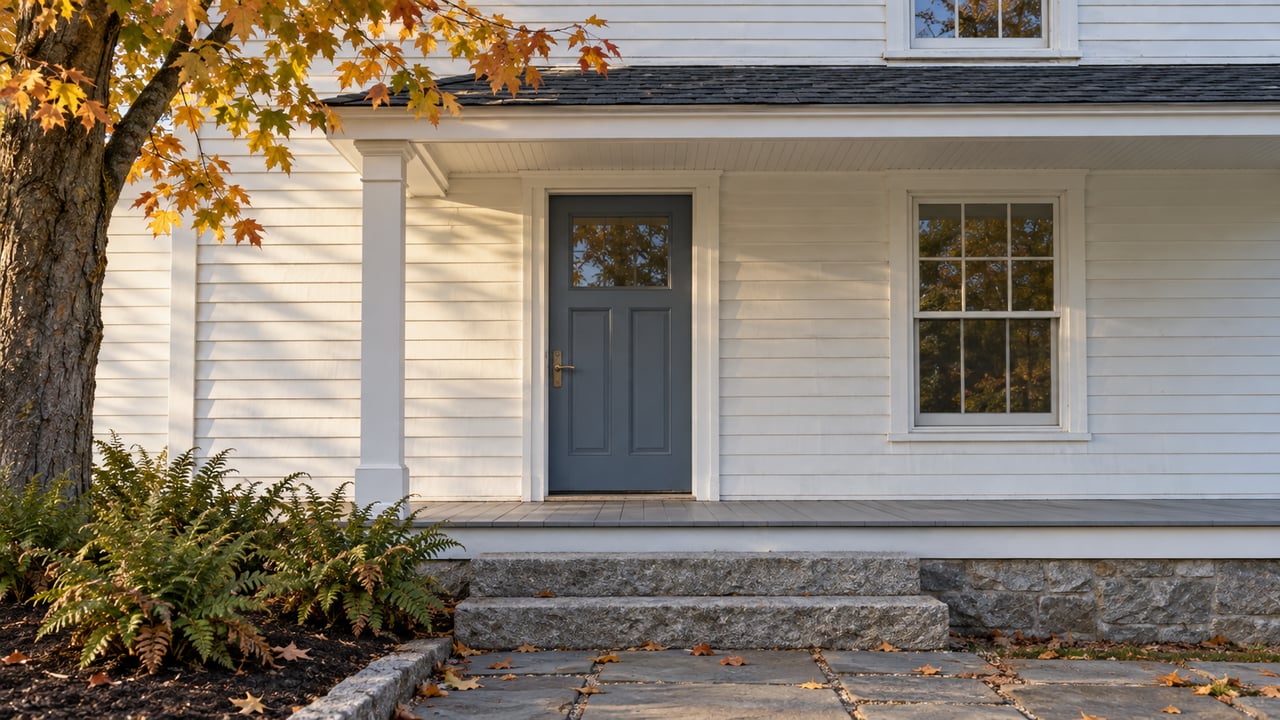
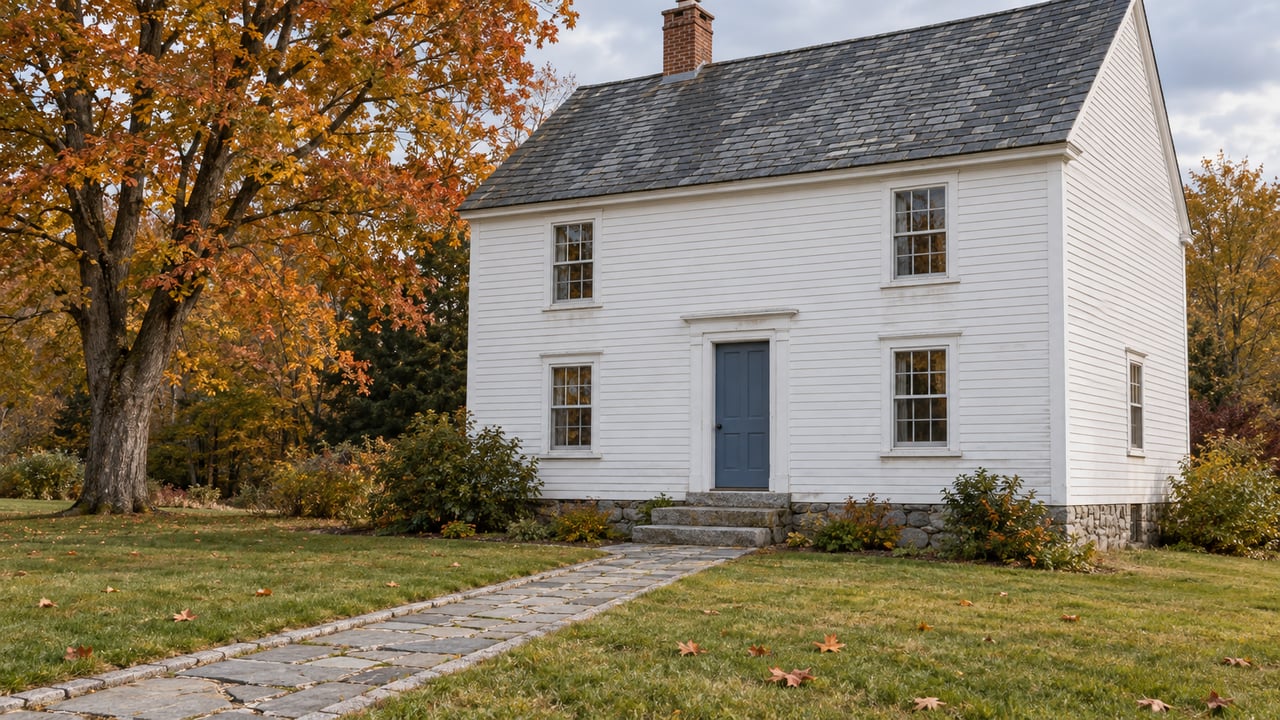
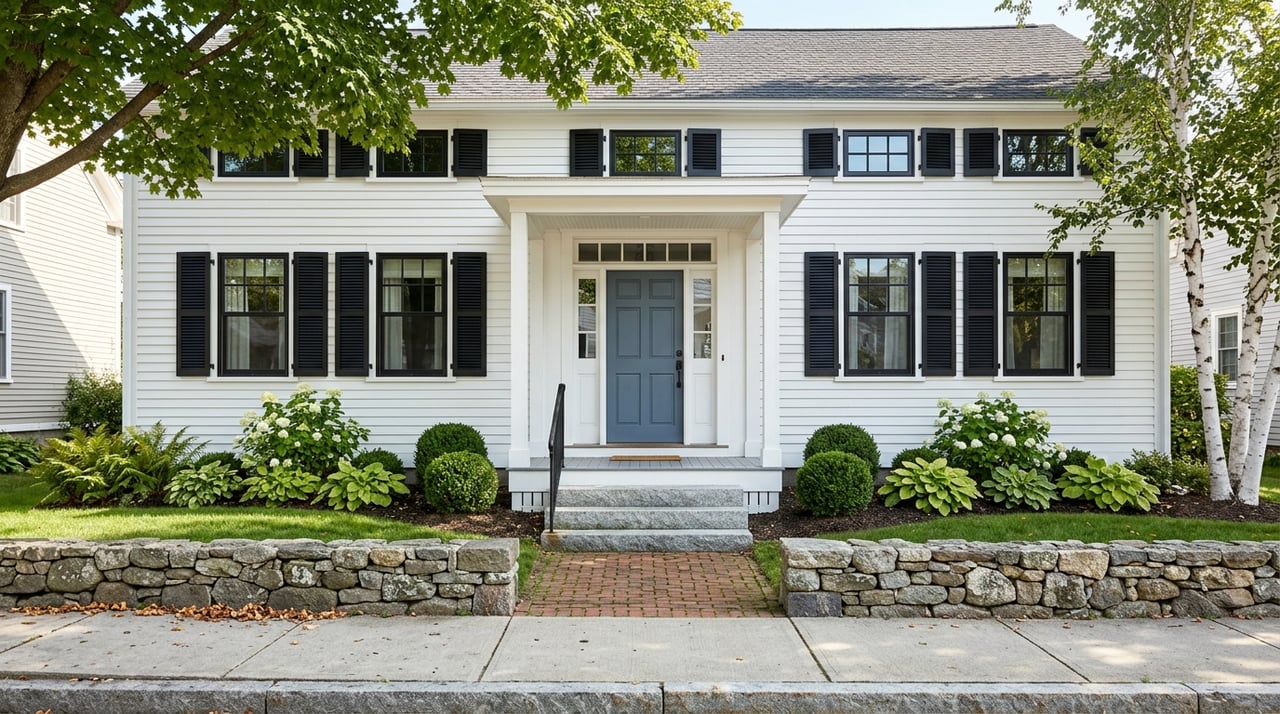
Woodstock can appeal to you for very different reasons depending on where you look. If you want a walkable village setting with shops, restaurants, culture, and services close by, the area around the green may be the best fit. If you want more space, a hamlet setting, or a property with a more rural feel, the broader town offers those options too.
The key is to match your priorities to the part of Woodstock that supports them. Daily convenience, historic character, scenic surroundings, and housing style all vary depending on whether you are focused on the village core or the countryside beyond it.
If you are planning a move to Woodstock or thinking about selling there, working with a team that understands how to position village homes and country properties can make the process much clearer. Flex Realty offers full-service support with practical guidance on pricing, marketing, negotiations, and next steps.
FAQs
Is Woodstock, Vermont walkable for daily errands?
- Yes. Official tourism materials say most amenities are within walking distance of the town green in the village core.
What types of homes are common in Woodstock, Vermont?
- Woodstock is dominated by single-unit housing. The broader town has a higher share of owner-occupied and single-unit homes, while the village is somewhat denser and more mixed in ownership.
Are there country properties outside Woodstock village?
- Yes. Woodstock includes rural areas, meadow farms, hamlets such as South Woodstock and Taftsville, and scenic roads outside the main village center.
Are renovations regulated in Woodstock, Vermont?
- Yes. The town’s permit guidance says many projects, including exterior changes, additions, some detached apartments, and short-term rentals, go through local review.
Is Woodstock a higher-priced Vermont market?
- Yes. Census profile data shows median owner-occupied home values in both the village and the broader town are above county and statewide medians.