Looking for a place that feels small, connected, and practical for daily life? Montpelier stands out because it offers a compact capital-city setting, historic housing, and easy access to both downtown essentials and outdoor recreation. If you are thinking about moving to Montpelier or buying a home in the area, this guide will help you understand what to expect from housing, commuting, and everyday community life. Let’s dive in.
Montpelier at a glance
Montpelier is Vermont’s capital, but it is much smaller than many people expect from a state capital. City materials describe a community of about 8,000 people, with a downtown centered on the State House, independent businesses, arts, local food, and outdoor recreation close to the city core.
That mix gives Montpelier a distinct feel. You get civic activity and regional importance, but you also get a compact setting where many daily destinations are close together.
Community feel in Montpelier
One of Montpelier’s biggest draws is how accessible the city feels. Local planning documents describe downtown as pedestrian-oriented and walkable, which can appeal to buyers who want a more connected day-to-day routine.
At the same time, Montpelier is still northern New England. Winter sidewalk conditions can be a challenge, so walkability here is real, but it also comes with the seasonal realities of Vermont living.
Housing style and character
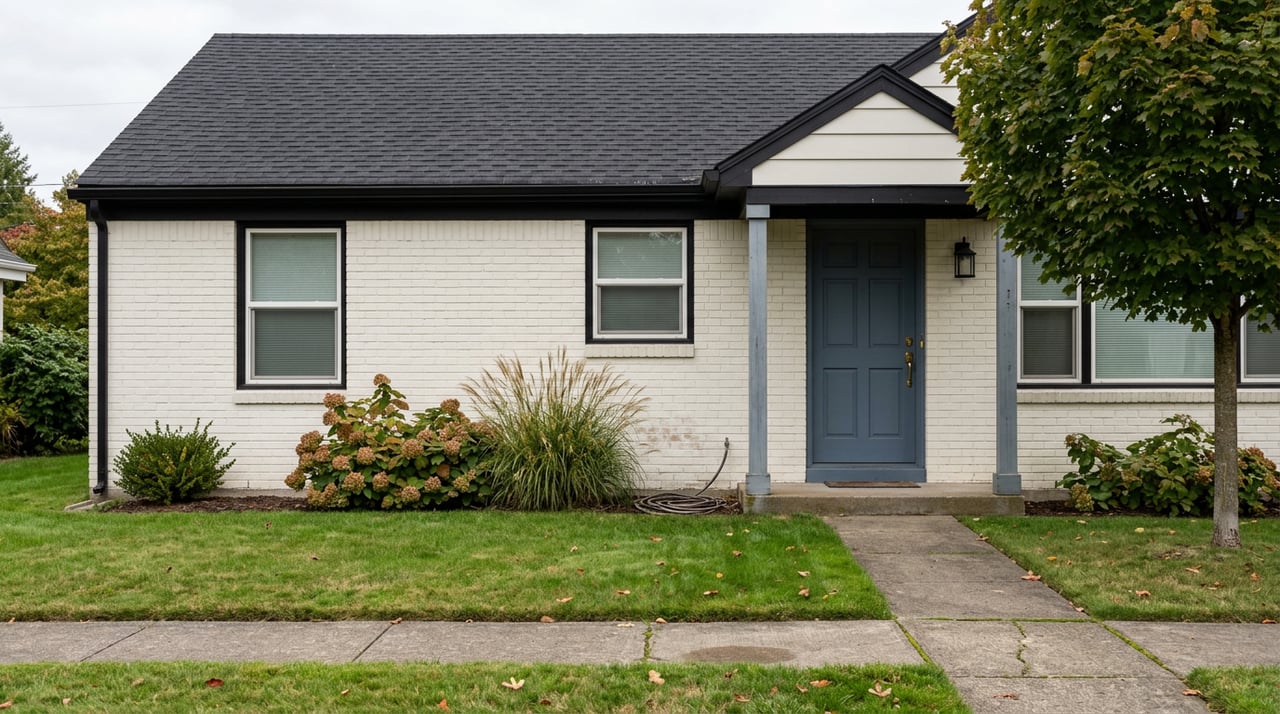
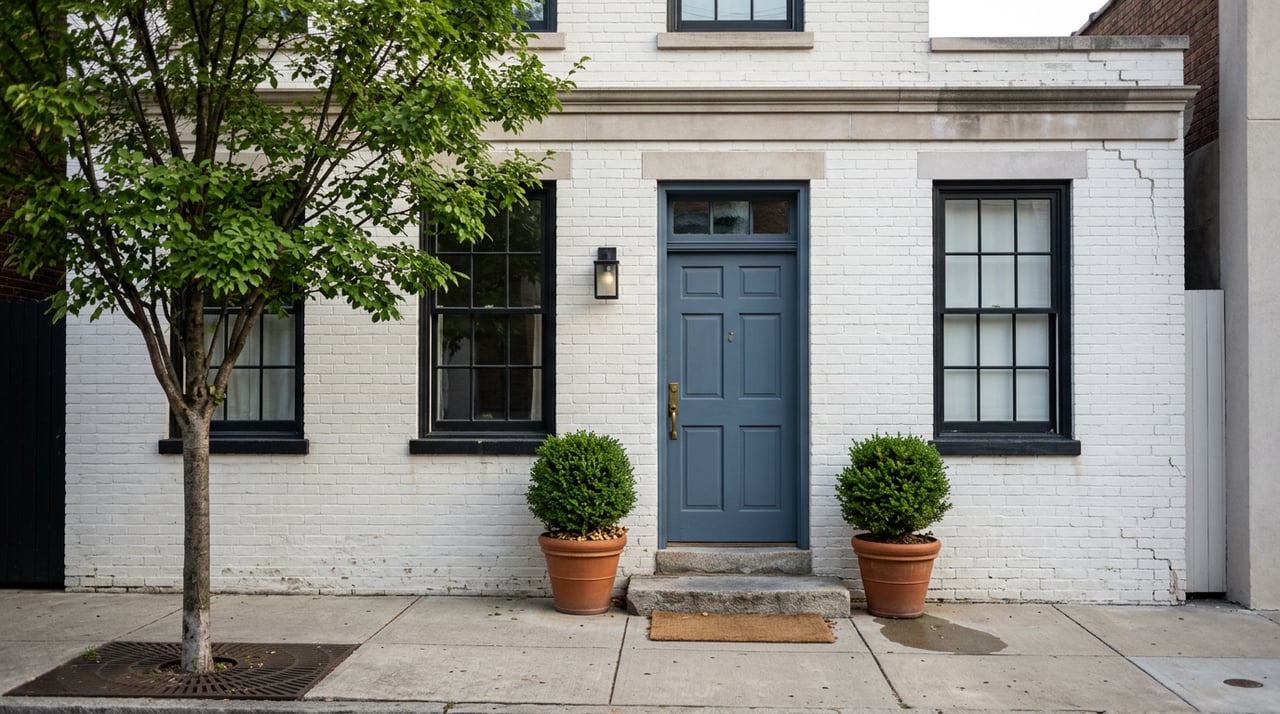
Montpelier’s housing stock has a strong historic identity. The city describes its historic district as the largest in Vermont, and official documentation shows a broad mix of architectural styles across downtown and nearby neighborhoods.
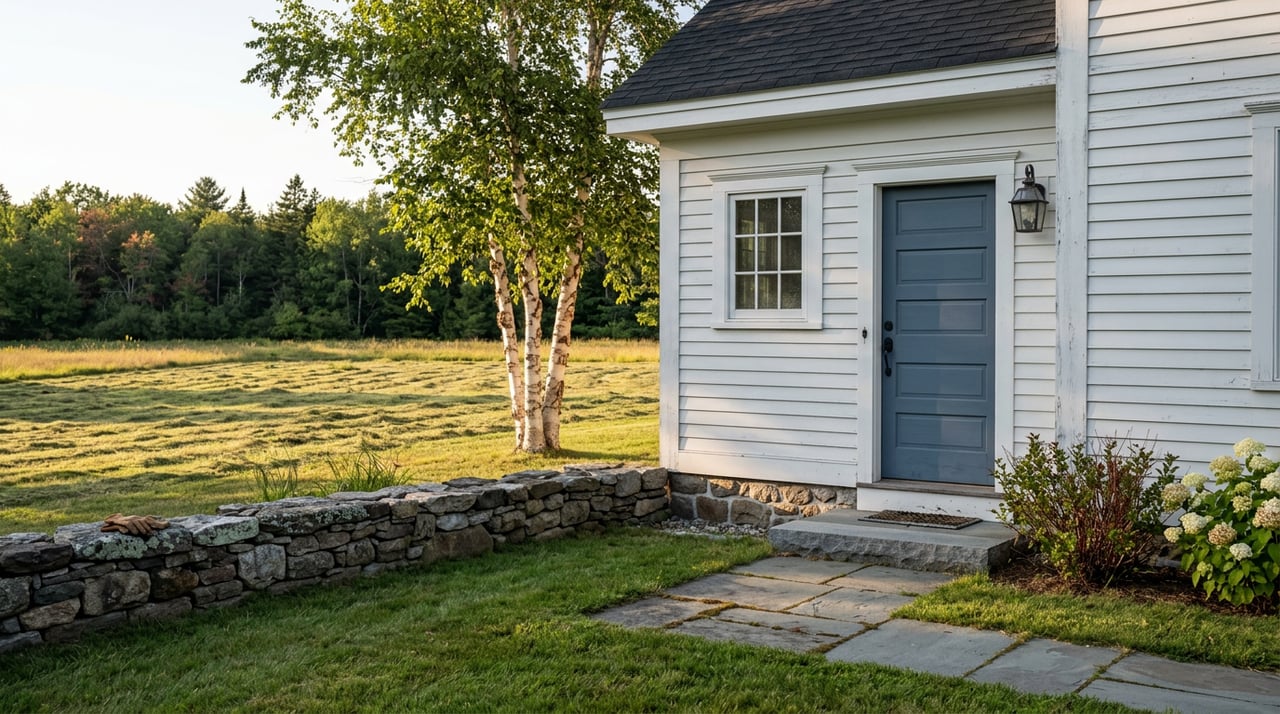
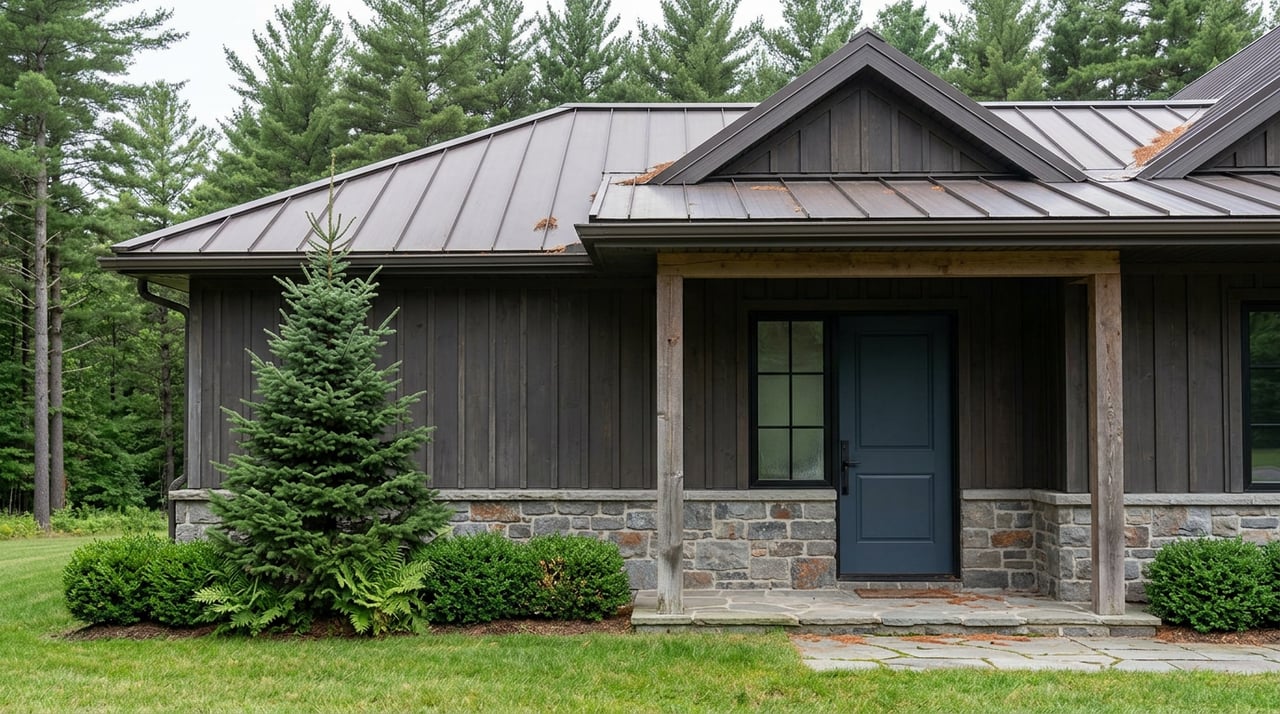
You will see styles that include Federal, Greek Revival, Gothic Revival, Italianate, French Second Empire, Queen Anne, Colonial Revival, and later 20th-century homes. Many structures are wood-frame homes with clapboard or shingle exteriors, which helps shape the classic Vermont streetscape many buyers picture.
Older homes are a major part of the market
If you are shopping in Montpelier, it helps to know that much of the housing stock is not new. The city’s 2026 housing assessment says 48% of housing units were built before 1950, which is older than both Washington County and Vermont overall.
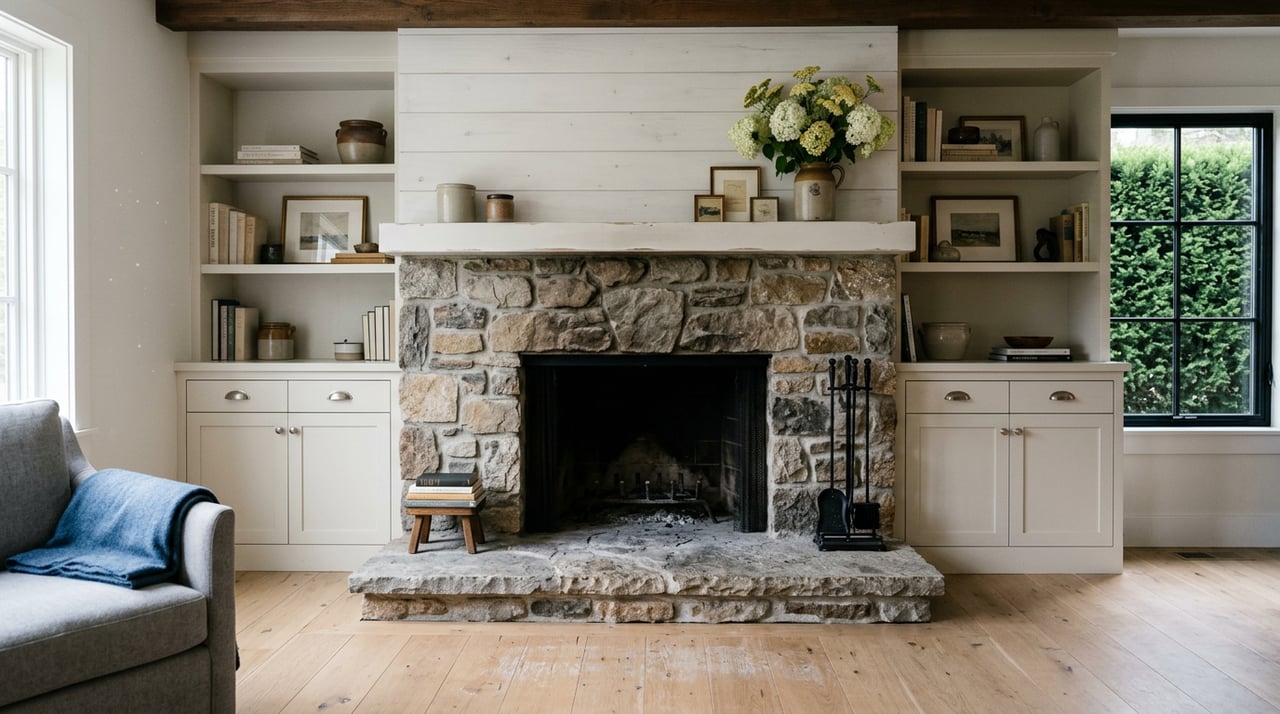
That can be a plus if you love charm, established streets, and architectural detail. It also means buyers should be ready for the realities that often come with older homes, such as varied layouts, smaller room configurations, and property-by-property differences in updates and maintenance.
Lot sizes vary by location
Lot size is one of the biggest lifestyle differences in Montpelier. In several residential districts, city regulations allow minimum parcel sizes as low as 3,000 to 9,000 square feet, which supports the compact feel of the city core.
If you want more yard space or more separation from neighbors, your search may need to shift outward. The Rural District requires a 2-acre minimum lot size, which helps explain why larger-lot options are more likely at the edges of the city or in nearby rural areas.
What buyers can expect from newer housing
New housing has been added in Montpelier, but the pace has been limited. From 2020 through 2025, the city tracked 50 new units, including single-family homes, accessory dwelling units, and units in multi-unit buildings.
That tells you something important about the market. Most new supply has been relatively small-scale and infill-oriented rather than made up of large new subdivisions.
Housing choices are still limited
Montpelier’s housing assessment states clearly that the city has a housing shortage. It also estimates vacancy below the healthy 4% to 6% range, which supports what many buyers already feel on the ground: choice can be tight.
The same report estimates that about 528 additional units would be needed to bring the jobs-to-housing ratio down to 1.5. In practical terms, that means demand remains meaningful relative to supply.
Inventory and competition
Current market snapshots vary by platform, but they point in the same general direction. In June 2026, Zillow reported 29 homes for sale in Montpelier with a median list price of $414,333, while Realtor.com reported 49 active listings, a median list price of $433K, 27 median days on market, and a 96% sale-to-list ratio.
Redfin reported a median sale price of $448,282 and about 50 days on market over the prior three months. Since each platform uses different methods, the exact numbers are not directly interchangeable, but the overall takeaway is consistent: inventory is modest and buyers should be prepared for competition.
Commutes in and around Montpelier
Montpelier is more than a small city. It also functions as a regional job center, which shapes commute patterns and housing demand.
The city’s housing assessment shows a jobs-to-housing ratio of 1.69. About 33% of people employed in Montpelier live within ten miles, and only 18% live in Montpelier itself.
That matters if you are deciding whether to live in the city or nearby. A lot of people who work in Montpelier commute from surrounding communities, so your home search does not need to stop at the city line if you want different lot sizes, housing formats, or price points.
Transportation connections
For a small capital, Montpelier is well connected. VTrans project materials place the city on I-89 and reference the Exit 8 interchange, which supports regional car travel.
Transit is also part of the picture. Green Mountain Transit serves Montpelier with LINK Express and commuter routes, and Amtrak service is available from the Montpelier-Berlin station in neighboring Berlin rather than downtown itself.
Why government shapes the city
Montpelier’s role as the state capital is central to how the city functions. The Vermont General Assembly meets at the State House, and city materials describe Montpelier as a place where people come to do the work of government and civic life.
That presence helps shape the rhythm of the city and helps explain demand from state employees and related professionals. Even if you do not work in government, this civic role affects how Montpelier feels as a market and as a community hub.
Who Montpelier may fit best
Montpelier can be a strong fit if you want a small city with historic character, a walkable core, and regional connections. It may also appeal to buyers who value being close to civic activity, local businesses, and outdoor access without needing a large urban setting.
It may be less ideal if your top priority is a large amount of new construction or a wide selection of move-in-ready homes in one price bracket. Because supply is limited, flexibility can make a big difference.
Tips for buyers exploring Montpelier
If you are planning a move to Montpelier, a few smart expectations can help you shop more confidently:
- Expect many homes to be older and architecturally varied
- Compare core neighborhoods with edge-of-city and nearby rural options
- Think early about your ideal lot size and commute pattern
- Be prepared for limited inventory, especially in more walkable areas
- Look at the full picture, including condition, updates, and daily convenience
Tips for sellers in Montpelier
If you own a home in Montpelier, the city’s constrained inventory can create real opportunity, but strategy still matters. In a market where buyers may compare historic homes, smaller infill properties, and edge-of-city options, pricing, presentation, and marketing all shape results.
A clear plan can help your property stand out. Strong photography, thoughtful staging guidance, broad digital exposure, and organized contract-to-close support can be especially valuable when buyers are moving quickly but still weighing tradeoffs carefully.
If you are thinking about buying or selling in Montpelier, working with a team that understands Vermont housing patterns, local market conditions, and how to position a home clearly can make the process smoother. Flex Realty offers full-service support with practical guidance every step of the way.
FAQs
What is Montpelier, Vermont like for daily life?
- Montpelier offers a compact capital-city setting with a downtown centered on the State House, independent businesses, arts, local food, and outdoor recreation close to the core.
What kind of homes are common in Montpelier, Vermont?
- Montpelier has a large share of older housing, with many historic wood-frame homes in styles such as Federal, Greek Revival, Italianate, Queen Anne, and Colonial Revival.
Are lot sizes small in Montpelier, Vermont?
- In the more compact parts of the city, lot sizes can be relatively small, with minimum parcel sizes as low as 3,000 to 9,000 square feet in several residential districts, while the Rural District requires 2-acre minimum lots.
Is Montpelier, Vermont competitive for homebuyers?
- Yes. City and market data point to modest inventory, low vacancy, and ongoing competition, especially for well-located and move-in-ready homes.
Do many people commute into Montpelier, Vermont for work?
- Yes. Montpelier functions as a regional job center, and the city’s housing assessment shows that only 18% of people employed in Montpelier live in the city itself.
Does Montpelier, Vermont have public transportation?
- Yes. Green Mountain Transit serves Montpelier with LINK Express and commuter routes, and Amtrak service is available from the Montpelier-Berlin station in nearby Berlin.