Trying to choose between Burlington and South Burlington for your home search? At first glance, they can seem similar because they sit side by side and have close citywide home values. But once you look at housing types, daily routines, and how each city is built, the differences become much clearer. If you want to narrow your search with more confidence, this guide will help you compare what life may look like in each place. Let’s dive in.
Home values are closer than many buyers expect
If you are assuming one city is clearly more expensive than the other, the numbers may surprise you. Census Reporter shows Burlington’s median value for owner-occupied housing units at $444,800 and South Burlington’s at $443,400.
That means the bigger difference is usually not the citywide value gap. In most cases, the more useful comparison is the kind of home you want and the setting you want around it.
Housing types feel different in each city
Burlington has more multi-unit housing
Burlington has 18,079 housing units, with 58% renter-occupied housing and 59% of homes in multi-unit structures. That points to a market with more apartments, condos, and denser housing patterns.
City planning documents also describe core areas with mixed-use redevelopment, apartments, and condominium complexes, especially around downtown and the waterfront. If you want inventory that is closer to a compact urban setting, Burlington is more likely to match that goal.
South Burlington has more single-unit homes
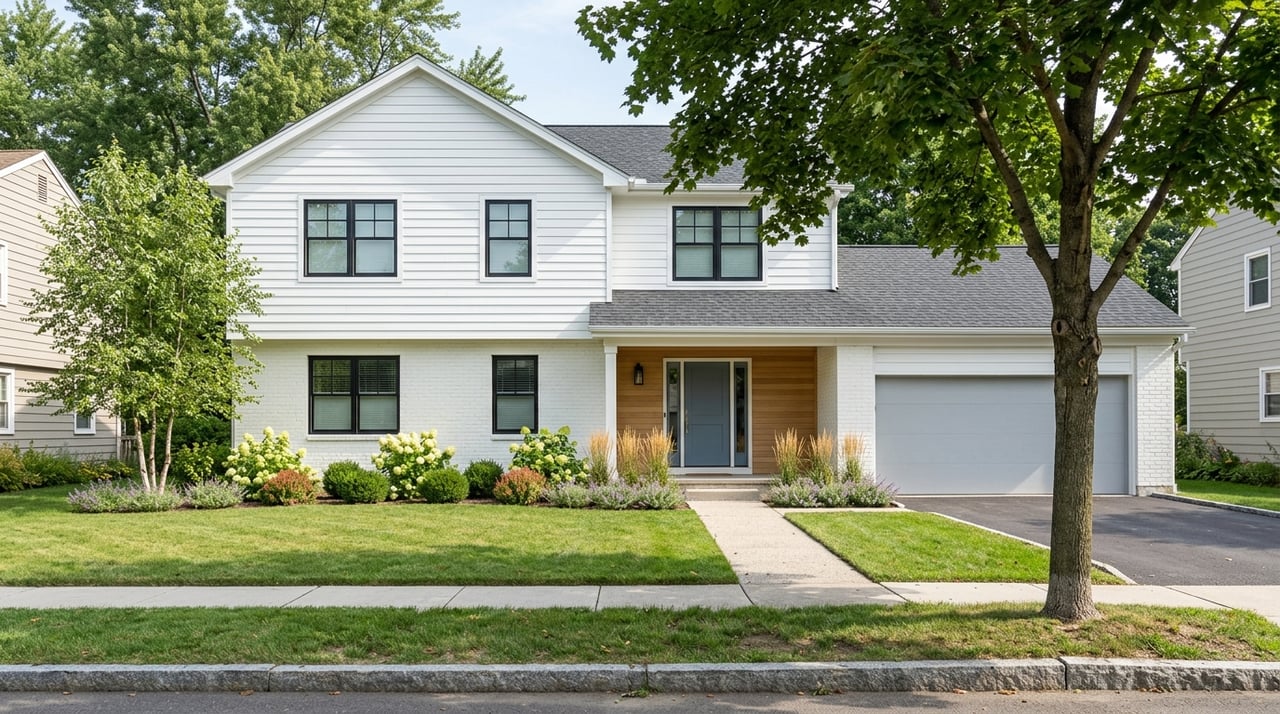
South Burlington has 9,673 housing units, with 62% owner-occupied housing and 58% of homes in single-unit structures. That makes it the more detached-home and suburban-leaning option overall.
At the same time, South Burlington is not standing still. The city is building out City Center as a true downtown area with housing, retail, office space, civic buildings, green space, and bike and pedestrian connections.
What this means for your search
If you are comparing listings and wondering why the feel of each city is so different, this is a big reason why. Burlington tends to offer more dense, multi-unit, downtown-adjacent housing, while South Burlington more often offers single-unit homes and a broader suburban pattern.
That does not mean one is better than the other. It means the better fit usually comes down to whether you want a compact setting, a more spread-out setting, or a mix of both.
Daily mobility can shape your choice
Burlington supports walk and bike routines
Burlington’s layout makes it easier to build daily life around walking, biking, and transit in its core areas. The city’s planning documents describe Burlington as inherently conducive to foot and bike travel because of its compact development pattern, the Burlington Bike Path, and Church Street Marketplace.
Burlington also has a Downtown Transit Center and access to Green Mountain Transit service. The Burlington Greenway adds another major plus, with an 8-mile paved multi-use path along Lake Champlain that connects neighborhoods with downtown.
South Burlington is more corridor-based
South Burlington also has strong transportation infrastructure, but it works differently. The city reports more than 50 miles of sidewalks, 25 miles of shared-use paths, and more than 250 crosswalks.
The city is also investing in the East-West Crossing project, a walk-bike bridge over I-89 at Exit 14. That project is designed to connect City Center and nearby destinations more directly without relying on interchange ramps.
Transit and airport access matter here
Green Mountain Transit serves South Burlington too. As of August 25, 2025, Routes 1 and 11 are coordinated to provide service every 15 minutes between Downtown Burlington and South Burlington City Center during peak travel times.
South Burlington also includes Patrick Leahy Burlington International Airport at 1200 Airport Drive. If you travel often, that may be a meaningful convenience in your day-to-day routine.
Walkability is not the same in both cities
If walkability is high on your list, Burlington has the stronger citywide profile. Walk Score reports Burlington at 59 and South Burlington at 29.
That does not mean South Burlington lacks walkable areas. It means walkability there is more concentrated in certain corridors and in the developing City Center area, while Burlington offers a more walkable experience across its core.
Amenities are organized in different ways
Burlington has a tighter central core
Burlington’s amenities are concentrated in a compact downtown and waterfront area. Church Street Marketplace is an award-winning pedestrian mall with more than 100 stores and restaurants, plus year-round events and entertainment.
The city’s downtown and waterfront planning centers on areas like Main Street, Church Street, Pearl Street, the Railyard District, and the North and South Waterfront. The waterfront also includes public beaches, marinas, concerts, and North Beach Campground.
Because the Greenway links neighborhoods, downtown, and the waterfront, Burlington can make it easier to combine errands, recreation, and social time in the same part of the city. For many buyers, that creates a very specific kind of daily rhythm.
South Burlington spreads amenities more broadly
South Burlington’s amenity pattern is broader and more auto-oriented, though it is becoming more centralized. The city says the City Center business district includes Vermont’s largest indoor shopping mall and about one-third of Chittenden County retail space.
Recent investments are intended to make downtown South Burlington more walkable and bikeable. City Center Park, the South Burlington Public Library, and City Hall serve as key civic anchors in that growing district.
South Burlington also has a wide range of parks and natural areas, including City Center Park, Red Rocks Park, Wheeler Nature Park, Overlook Park, and Farrell Park. If access to parks and open space is part of your routine, that can be a strong point in South Burlington’s favor.
Burlington may fit if you want urban convenience
For many buyers, Burlington makes the most sense when daily convenience means being close to a denser core. If you picture yourself wanting condo or apartment-style options, easier access to Church Street, the waterfront, or the Greenway, Burlington may line up more closely with your search.
Its housing mix and transportation pattern support a more urban feel. That can be especially helpful if you want a home base where walking, biking, and transit play a larger role in everyday life.
South Burlington may fit if you want flexibility
South Burlington often appeals to buyers who want more single-unit housing, easier vehicle access, and a broader suburban pattern. At the same time, it offers bus service into Burlington, quick airport access, and a City Center area that is becoming more mixed-use and connected.
That mix can be appealing if you want room to spread out without giving up access to shopping, parks, civic spaces, and a growing downtown-style district. In other words, South Burlington can offer flexibility that feels practical for many kinds of households and routines.
The real question is how you want to live
The most helpful way to compare Burlington and South Burlington is not to ask which city is better. A better question is which daily routine feels more natural to you.
If you want a compact environment with stronger walkability and more multi-unit housing, Burlington may be the stronger match. If you want more single-unit homes, easier car access, airport convenience, and a growing mixed-use center, South Burlington may fit better.
Both cities offer strong reasons to consider them, and the right choice often comes down to lifestyle more than price. If you want help comparing specific neighborhoods, housing types, or available listings in Chittenden County, Flex Realty can help you make a practical, informed decision.
FAQs
Is Burlington or South Burlington more expensive for homebuyers?
- Citywide median values are very close, with Burlington at $444,800 and South Burlington at $443,400, so the bigger difference is usually housing type and setting rather than overall price.
Is Burlington or South Burlington better for walkability?
- Burlington has the higher citywide Walk Score at 59 compared with 29 for South Burlington, though South Burlington has walkable areas in certain corridors and around City Center.
What housing types are more common in Burlington?
- Burlington has more multi-unit housing, with 59% of homes in multi-unit structures, which often means more apartments and condos in denser areas.
What housing types are more common in South Burlington?
- South Burlington has more single-unit housing, with 58% of homes in single-unit structures, which points to a more detached-home and suburban-leaning pattern.
Does South Burlington have good access to Burlington amenities?
- Yes, Green Mountain Transit serves both cities, and Routes 1 and 11 provide coordinated service every 15 minutes between Downtown Burlington and South Burlington City Center during peak travel times as of August 25, 2025.
Is South Burlington only suburban in feel?
- No, South Burlington still has a broader suburban pattern overall, but it is also actively developing City Center as a more walkable, mixed-use downtown area.