If you want a place where you can grab coffee downtown, bike to the lake, and still feel connected to a close-knit local community, Burlington tends to stand out fast. For many buyers and relocators, the big question is not just what homes cost here, but what daily life actually feels like once you move in. This guide walks you through Burlington’s pace, neighborhoods, housing, and routines so you can decide whether it matches what you want. Let’s dive in.
Burlington at a Glance
Burlington is a compact lakefront city on Lake Champlain with about 44,000 residents and roughly 10.3 square miles of land area. Even though it is one of Vermont’s best-known cities, it often feels more like a small city with an active downtown and strong neighborhood identity.
The city’s resident profile shapes that experience in a big way. Burlington has a median age of 26.8, and city planning documents describe it as the youngest location in Vermont. That gives the city a distinct mix of students, young professionals, and long-time residents.
You also see a lot of movement in the population. Census Reporter shows that 32.5% of residents moved in the prior year, which helps explain why Burlington can feel dynamic, social, and always a little in motion.
What the Lifestyle Feels Like
Living in Burlington often means having a lot within a short distance. The city highlights access to local businesses, recreation, healthcare, education, arts, restaurants, and craft beer, along with a strong environmental focus and a net-zero goal.
In practical terms, that can mean your week feels varied without needing long drives. You may spend one day downtown, another near the waterfront, and another exploring neighborhood spots that feel more residential and low-key.
Burlington is also shaped by Lake Champlain in a very real way. The waterfront is not just a nice backdrop. It is part of how many residents spend their free time, with beaches, marinas, Waterfront Park events, and public access points that make the lake feel woven into daily life.
Downtown Burlington Living
If you want the most urban and walkable version of Burlington, downtown is where that feeling is strongest. The city’s downtown and waterfront planning centers around Main Street, Church Street, Pearl Street, the Railyard District, and the north and south waterfront areas.
Church Street Marketplace is the social and commercial anchor. It has more than 100 stores and restaurants, four blocks of dining, and year-round events, so this part of the city tends to feel active on an everyday basis.
For some buyers, that energy is a major draw. If you like being close to restaurants, shops, and public events, downtown Burlington offers a lifestyle that is harder to find elsewhere in Vermont.
Waterfront Access and Outdoor Time
One of Burlington’s biggest lifestyle advantages is how easy it is to stay connected to the outdoors. The city’s waterfront includes beaches, public marina access, park space, and even an urban campground at North Beach.
That matters if you want more than just a pretty view. In Burlington, the lake can become part of your normal routine, whether that means walking by the water, spending time at the beach, or heading out for seasonal recreation.
The city’s compact layout also supports that outdoor access. You do not have to choose between city convenience and recreation to the same degree you might in other places.
Burlington Neighborhood Feel
Burlington does not feel the same block to block, which is part of its appeal. Different areas offer different lifestyles, housing types, and day-to-day rhythms.
Old North End
The Old North End is one of Burlington’s classic older neighborhoods. It is primarily residential, with 75% of its parcels made up of residential units, and it is known for older two- and three-story homes.
If you like character, bike access, and a more urban neighborhood texture, this area may appeal to you. At the same time, older housing stock can mean more upkeep, rehabilitation needs, and energy-efficiency updates.
South End
The South End has a more creative and mixed-use feel. City planning materials describe it as an area shaped by transportation, art, and food, and it includes a high concentration of office and industrial space along with nearly 500 businesses employing more than 6,000 people.
For you as a buyer, that can translate into a neighborhood with evolving housing options and a distinct identity. It often appeals to people who like a more active, work-oriented, and arts-influenced environment.
New North End
The New North End tends to feel more residential and somewhat quieter than downtown or the South End. The city’s neighborhood plan emphasizes accessibility, sustainability, multimodal transportation, greenspace, and age-friendly housing.
If you want neighborhood services and a less intense daily pace, this is often one of the first areas people consider. It can be a useful starting point if you want Burlington access with a more residential feel.
Housing in Burlington
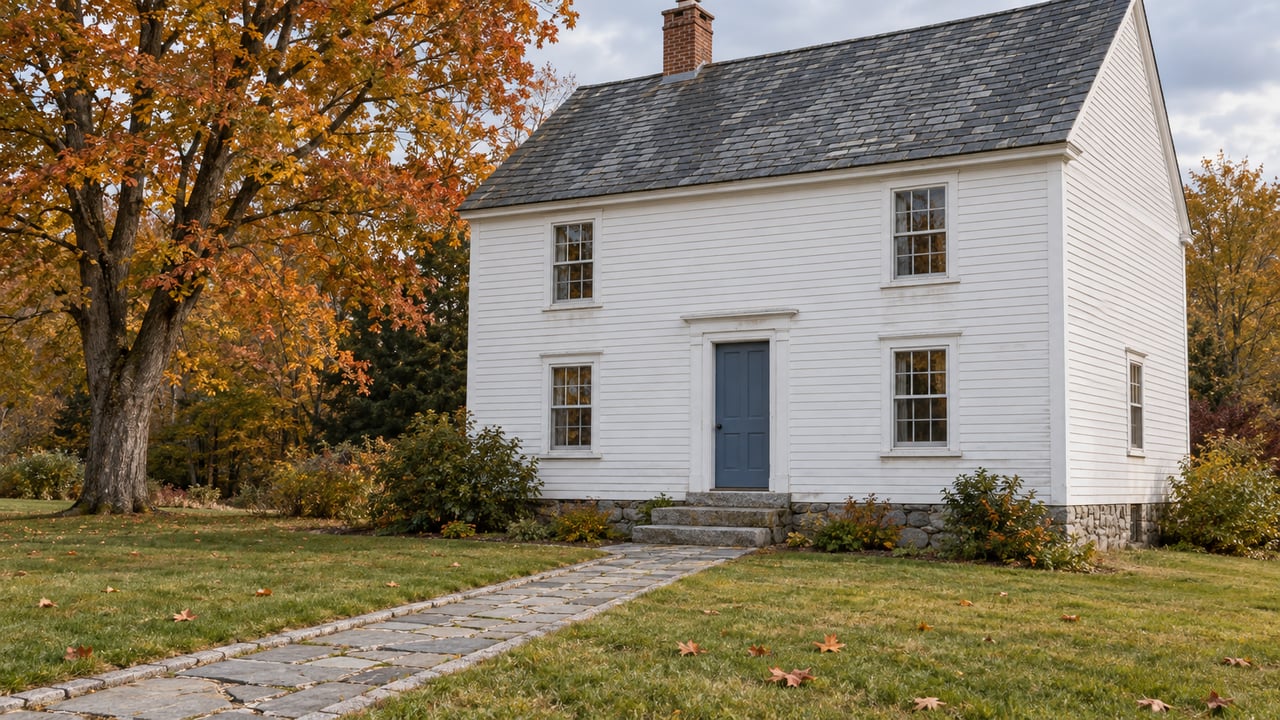
Burlington is not primarily a new-construction market. Much of the city’s housing stock is older, especially in areas like the Old North End and King Street, where city documents note ongoing needs for rehabilitation, energy-efficiency work, and lead abatement.
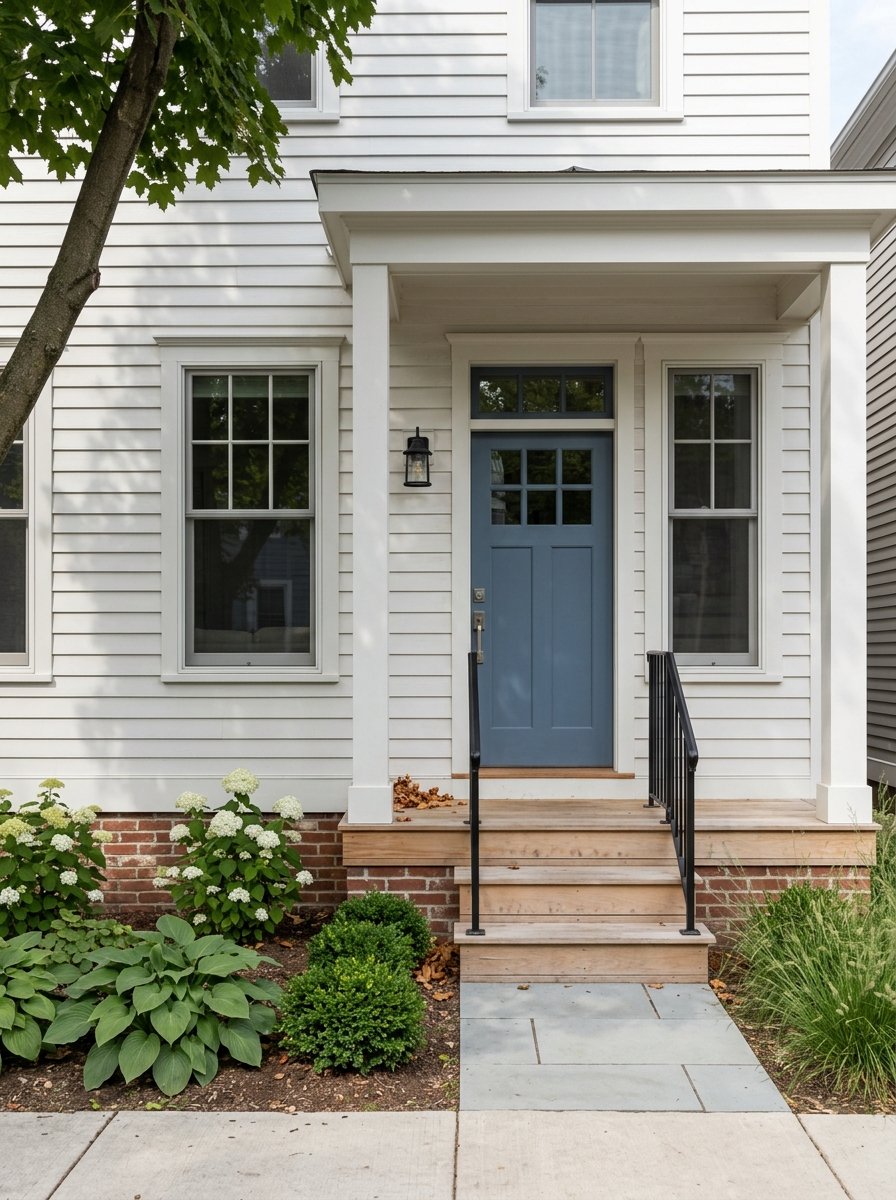
That means your options may look different from what you would find in a newer suburban market. Instead of large subdivisions filled with newer detached homes, you are more likely to see character homes, conversions, and infill development.
The city is also actively planning for more housing within existing neighborhoods. The BTV Neighborhood Code focuses on identifying opportunities for neighborhood-scale housing across the city, and a coordinated redevelopment effort in the South End points to the potential for more than 1,000 new homes in roughly 13 acres.
Cost of Living and Housing Costs
Housing costs are one of the biggest factors to understand before moving to Burlington. QuickFacts reports a median value of $444,800 for owner-occupied homes, median gross rent of $1,649, and a 41.5% owner-occupied housing rate.
Those numbers point to a city with a large renter population and costs that sit above Vermont norms. Median household income is reported at $71,109, which helps give context for the affordability conversation.
Recent market snapshots also suggest a high-price, limited-inventory market. In March 2026, Realtor.com reported a median listing price of $567,700 with 137 homes for sale, while Redfin reported a median sale price of $573,000 and $315 per square foot.
For you, that may mean being prepared to move quickly when the right home comes up. It may also mean balancing location, condition, and budget more carefully than you would in a less competitive market.
Getting Around Burlington
Burlington is relatively car-light compared with many Vermont communities, but most residents still drive at least some of the time. In the city’s 2017 mode-share snapshot, 61% of employed residents drove to work, while 21.5% walked, 5% biked, and 5.5% rode the bus.
That mix says a lot about everyday life here. Burlington’s compact development pattern, pedestrian-oriented downtown, and trail and park network make walking and biking realistic for many residents, especially if you live near work, school, or downtown amenities.
Transit also plays a role. Green Mountain Transit serves Burlington and nearby communities including South Burlington, Williston, Shelburne, Winooski, Milton, and part of Colchester, with commuter and express routes extending farther into the region.
Commutes are also fairly manageable by city standards. Census Reporter shows a mean travel time to work of 18.7 minutes, which supports Burlington’s reputation as a place where your routine can stay relatively efficient.
Who Burlington Fits Best
Burlington tends to work especially well if you want a walkable small-city lifestyle with local businesses, lake access, and established neighborhoods. It can be a strong fit if you value being close to downtown amenities and like the idea of combining walking, biking, transit, and occasional driving.
It may also appeal to you if you like older homes with character. In many parts of Burlington, that older housing stock is part of the city’s charm, even if it also comes with maintenance considerations.
The biggest trade-offs are usually price and inventory. If you want a move-in-ready home in one of the most walkable areas, you may need to act decisively and stay flexible about features or location.
If you prefer newer suburban-style housing, larger lots, or a lower-maintenance housing stock, you may find that Burlington’s outer neighborhoods or nearby communities fit your needs better. Still, for many buyers, the city’s blend of energy, accessibility, and lakefront setting is exactly what makes it worth a closer look.
If you are weighing a move to Burlington or trying to narrow down the right neighborhood, working with a local team can help you compare options with more clarity and less stress. Flex Realty offers full-service support for buyers and sellers across Vermont, with practical guidance, local insight, and a process designed to keep your move on track.
FAQs
What is daily life like in Burlington, VT?
- Daily life in Burlington often feels active, compact, and connected, with easy access to downtown businesses, the waterfront, outdoor recreation, and neighborhood services.
Is Burlington, VT walkable for residents?
- Yes, Burlington is one of the more walkable places in Vermont, especially near downtown, Church Street, and some close-in neighborhoods, though many residents still use a car for some trips.
What are Burlington, VT neighborhoods like?
- Burlington neighborhoods vary quite a bit, with the Old North End offering older housing and urban texture, the South End bringing a creative mixed-use feel, and the New North End offering a more residential pace.
Is housing expensive in Burlington, VT?
- Burlington housing costs are relatively high compared with Vermont overall, with higher home values, notable rent levels, and recent market data showing limited inventory and strong pricing.
Is Burlington, VT a good place for buyers who want city access and outdoor recreation?
- Burlington can be a strong fit if you want a small-city setting with walkability, access to Lake Champlain, and a mix of recreation, dining, and neighborhood living.